
Building a Resilient Supply Chain Through Better Warehousing and Inventory Management
Supply chains today face constant challenges, including demand fluctuations, transportation delays, supplier disruptions, geopolitical uncertainty, and unexpected market changes.
A strategically planned warehouse can act as a buffer between supply and demand. Proper inventory positioning, efficient storage, and reliable distribution processes can help businesses maintain operations even when disruptions occur.
Warehousing becomes especially important when companies need greater flexibility in sourcing, inventory allocation, and fulfillment.
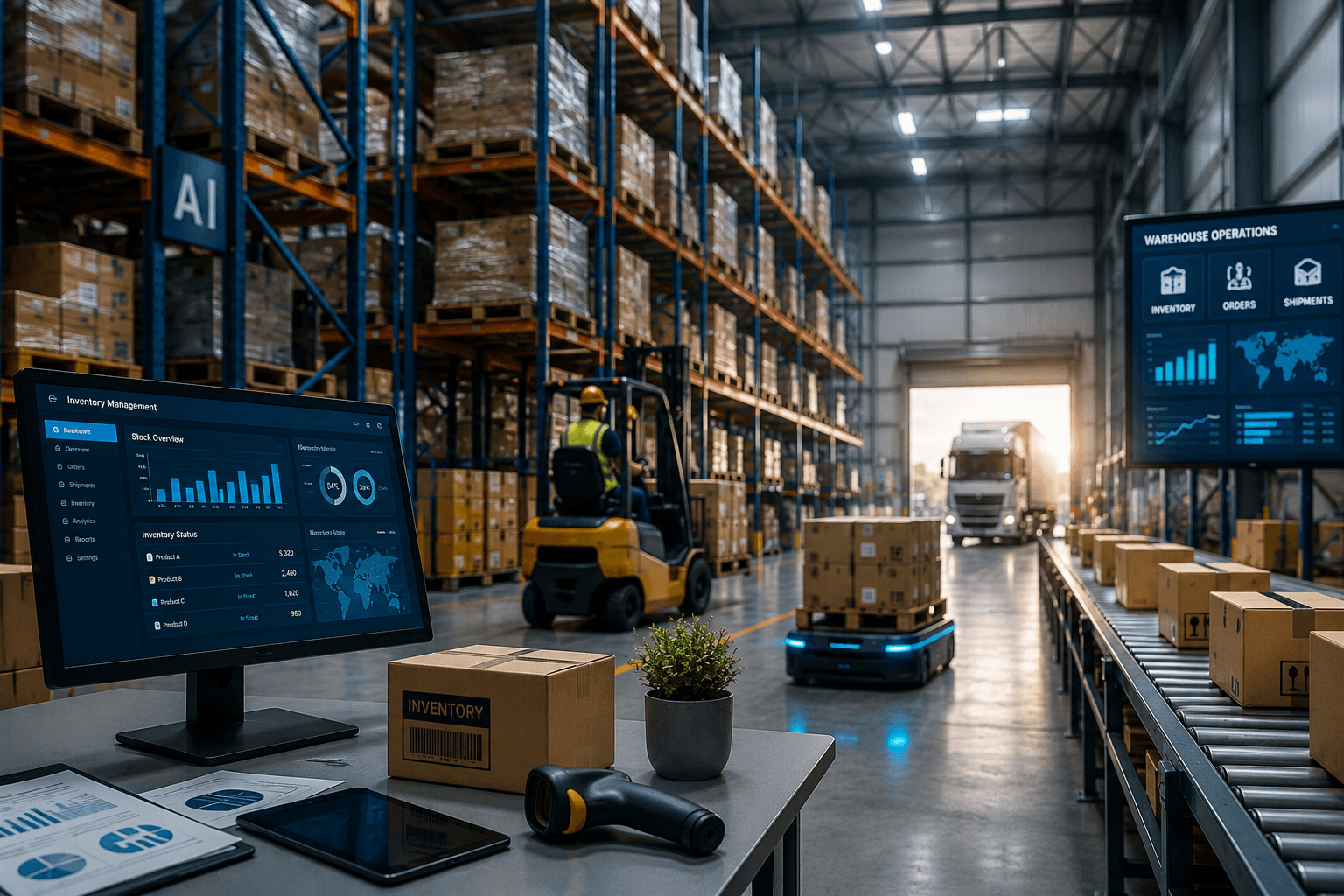
Warehouse management systems can provide real-time visibility into stock levels, movements, receipts, dispatches, and replenishment requirements. Better visibility allows businesses to identify potential shortages or excess inventory before they become major operational problems.
Businesses can also strengthen resilience by avoiding excessive dependence on a single supplier, location, or transportation route. Multiple sourcing options, strategically positioned inventory, flexible warehouse capacity, and alternative transportation arrangements can provide additional options when disruptions occur.